Tours Excursion
Jozani Forest
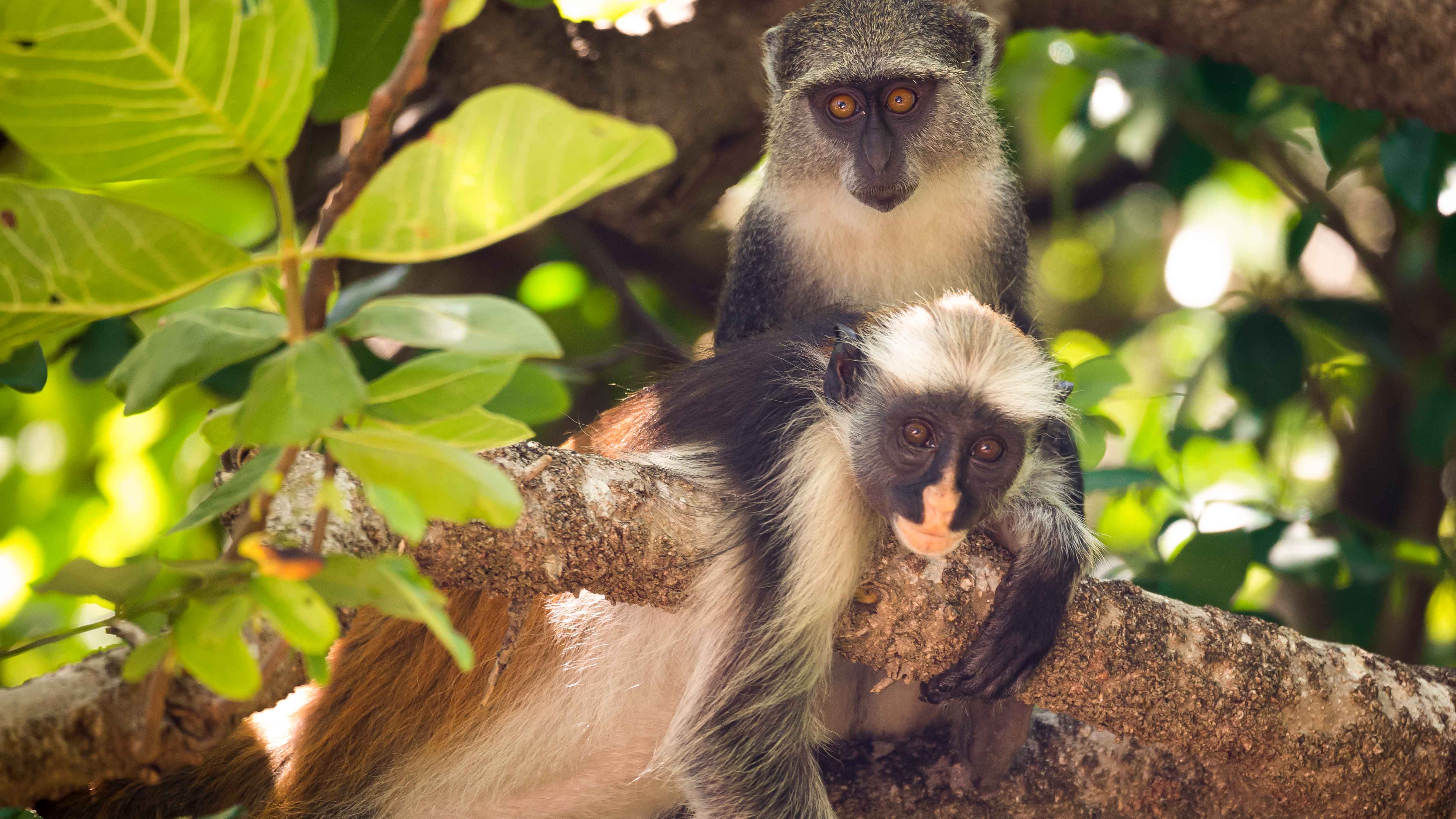
Jozani Forest is best known for its red colobus monkeys, which are endemic to Zanzibar. About 20 years ago, the monkeys were considered to be in danger of extinction. This trend has since reversed due to the conservation project. There are about 6000 red colobus monkeys residing in Jozani Forest.After visiting the red colobus, you will walk across to the Pete-Jozani Mangrove Boardwalk. It entwines through coral thicket vegetation, mangrove forest and across a creek. You walk through mangrove forest which is extremely crucial to Zanzibar’s ecosystems, providing a habitat for many lizards, snakes and birdlife as well as preventing coastal erosion.
Jozani Forest is situated 38 km southeast of Stone Town. In 1995, the Jozani Chwaka Bay Conservation Project was set up to protect the largest remaining patch of indigenous ground-water forest that used to cover Zanzibar. Local communities are involved in the project and some of your entrance fee contributes to development projects and to compensate local farmers whose crops are often damaged by the red colobus monkeys.Jozani Forest has several habitats including swamp forest, evergreen thickets, mangroves, as well as a variety of wildlife, including sykes and red colobus monkeys, bush pigs, Ader’s duiker, and suni antelopes, elephant shrews, chameleons, and lots of birdlife.
Safari Blue
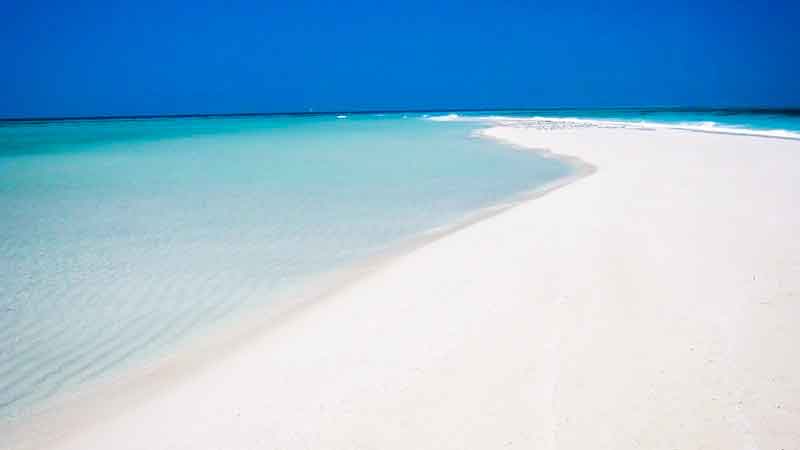
Blue Safari is one of the best-guided tours you can do in the Zanzibar archipelago. The name of Blue Safari comes from the beautiful blue color of the water surrounding the visited area. During Blue Safari you will have the opportunity to live an extraordinary experience in the crystal clear waters of the Zanzibar archipelago observing the colorful underwater life.During Blue Safari you will be guided to a remote and relatively untouched area of the Zanzibar archipelago so you can experience and enjoy the marine life in areas where the civilization hasn't left its mark.
Blue Safari is a full day tour and you will be sailing with the guide in traditional local boats - dhows - which are 8-10 meters long or 6 - 8 seater fibre boat. The excursion starts from the local village of Fumba (30-40 minutes drive from Stone Town).In the bay where the Blue Safari takes place, there are a few inhabited islands and sandbanks, and the area is frequently visited by humpback and bottlenose dolphins.Depending on the tide and our luck, we have the opportunity to watch these beautiful marine mammals playing around the boat in the shallow waters of Marine Park of Menai Bay.
The first stop will be on a sandbank where you can do snorkeling in shallow waters and see beautiful colored marine life. Fishes like Butterfly Fish, Angel Fish, Clown Fish will swim near you, and if you have an underwater camera you can make some beautiful pictures. And if you don't have it, I'm sure that these moments will become nice memories to remember.After snorkeling, we will take a short break and enjoy local fruits like fresh coconut, mango, pineapple, banana to rehydrate ourselves and wash the taste of salty water. You can rest for a while under the shades we will set up for you before going to the next stop of the Blue Safari.
kizimkazi dolphine
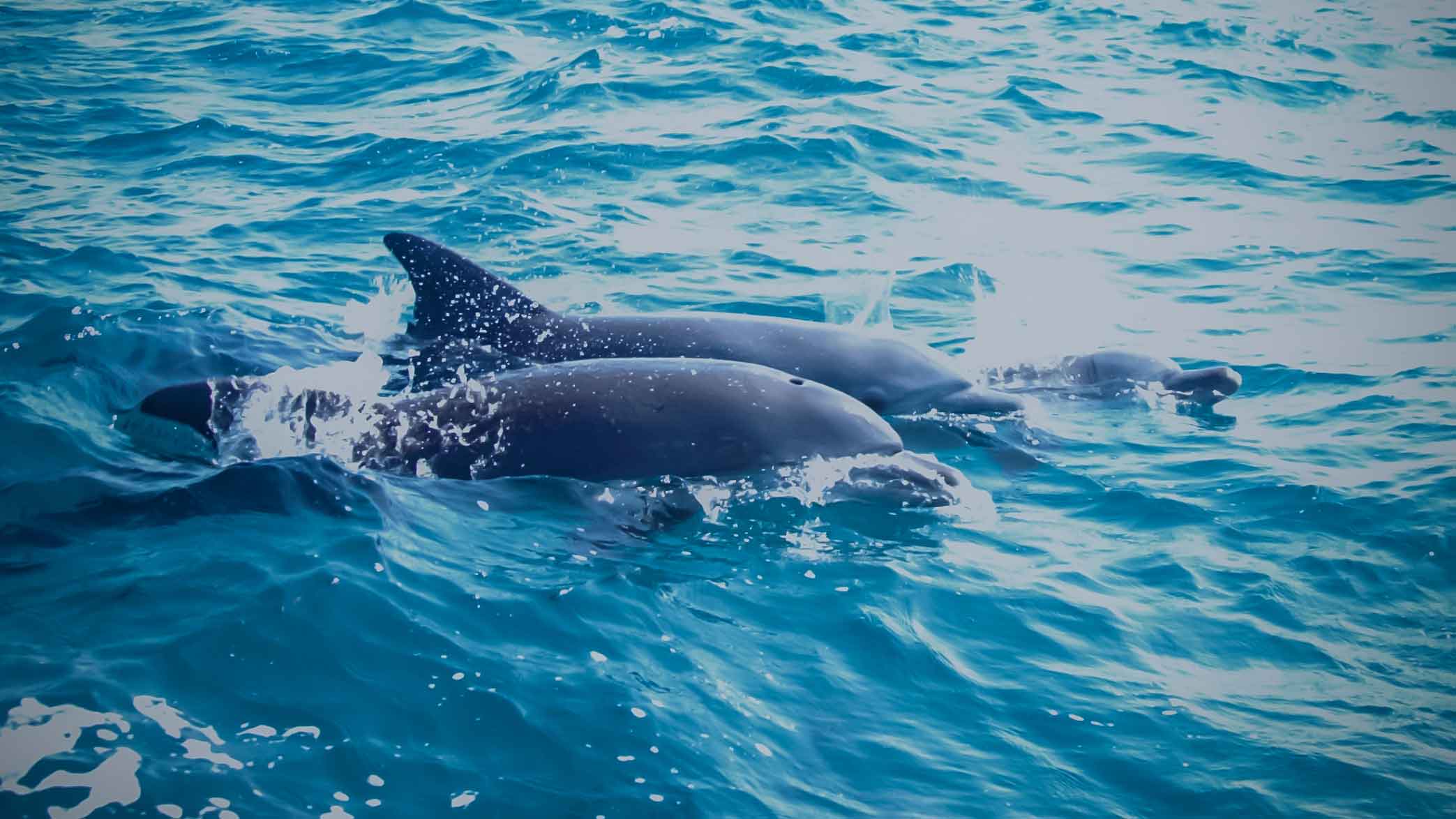
Kazimikazi fishing village, situated on the southern part of the island, is a site of a 12th century mosque. The mosque is the earliest remaining evidence of the Islamic religion in East Africa. The village also offers several schools of bottle-nosed dolphins and Humpback dolphins.
The dolphins can be spotted on a short boat trip. If you are lucky, you can even have a very special experience of the dolphins swimming so close that you could almost touch them. You can also feel the brilliant sensation of swimming with the dolphins, but please don't expect to touch them, since they are very shy. The village not only offers immense natural reasons for visitation, but also historical and cultural.
Spice Tour
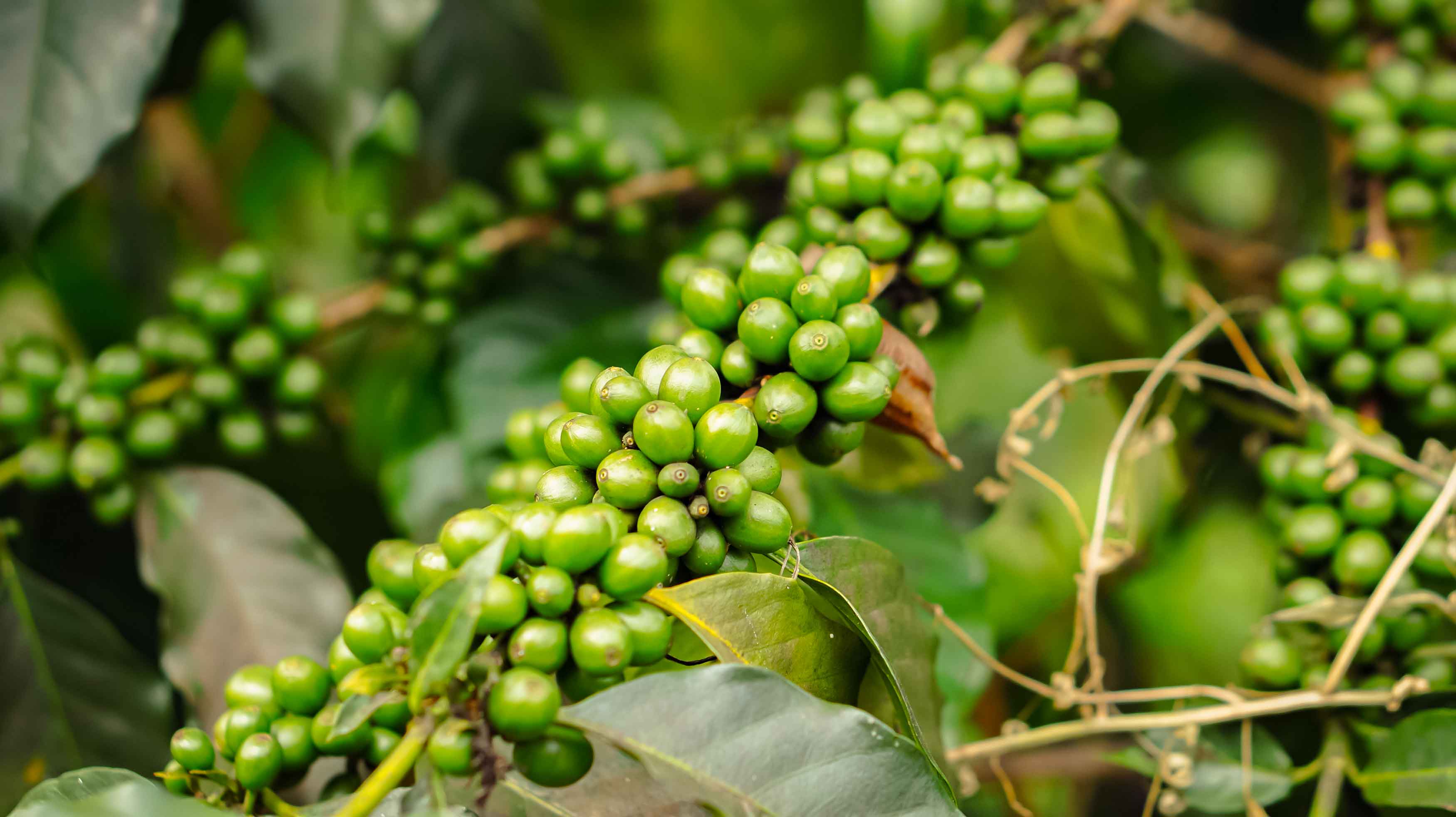
Spice tour in Zanzibar is a 3 hour guided tour. Tourists will be able to find a lot of things including Tropical fruits, Spices and herbs, and a few of the infrequently types of different plants from various vegetation.While on your tour you will see spices such as curry, Cardamone, cinnamon, nutmeg, vanilla, pepper, tamarind, ginger, menthol, Zanzibar's cloves, and numerous different spices and herbs.
Our guides will explain what the different plants are utilized for, however not every one of them is for food, others are utilized for medicinal purposes. Neem, for example, was traditionally utilized as medication for malaria and heartburn. Additionally, the iodine tree delivers a dark red sap utilized to battle disease and wounds.
A four-hour guided tour of exotic spices and natural products will be conducted on the plantations. The tour begins at Kibweni Palace and continues to Kidichi. There are likewise Persian showers built by Seyyid Said Sultan. He dedicated it to his wife named Princess Shehrzard, a relative of the SJA of Persia. The tour gives a brilliant knowledge into a variety of tastes and smells from spices, natural products, spices, and lovely plants and blossoms.
Stone Town Tour
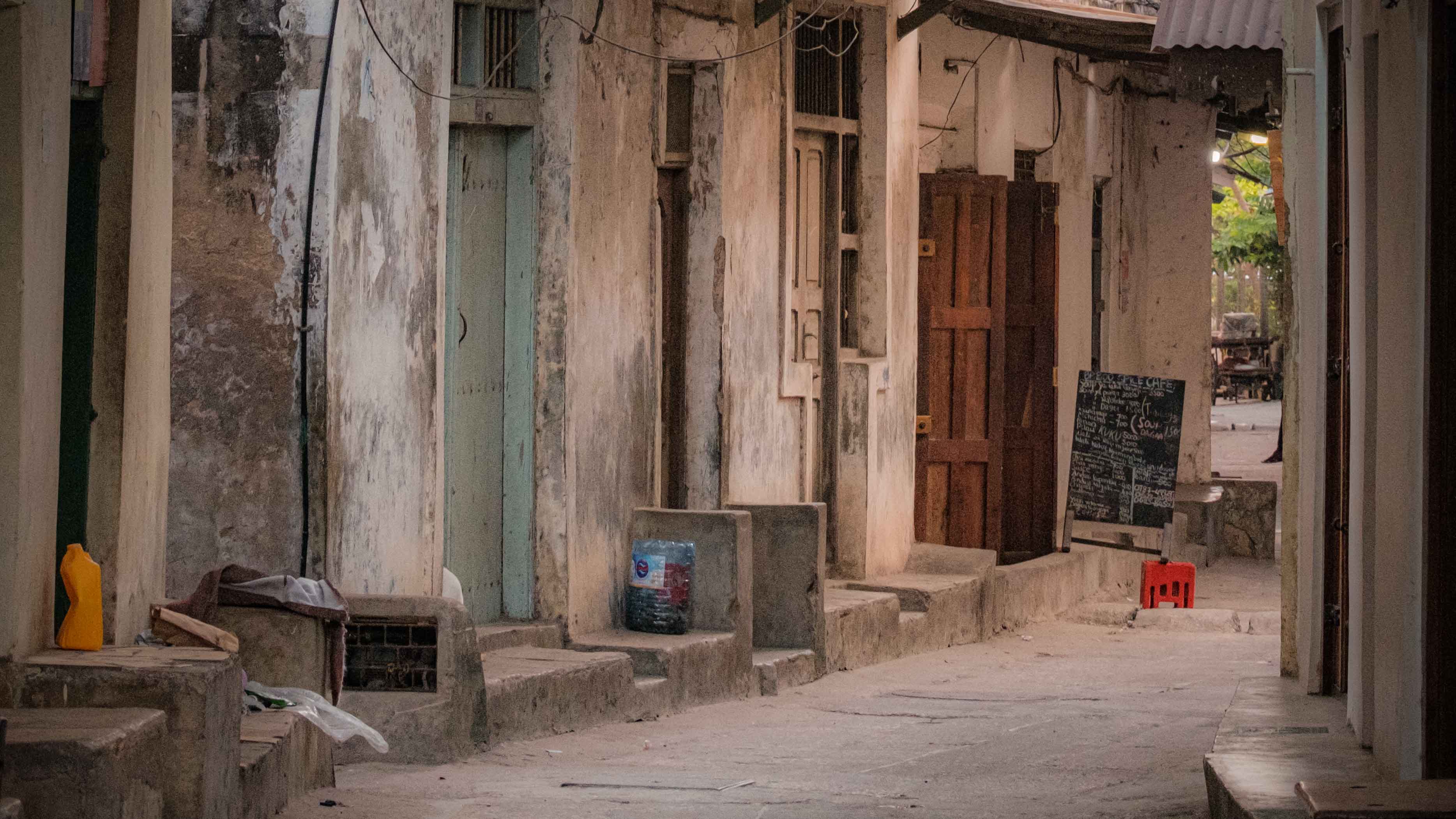
Stone Town, otherwise called MjiMkongwa (old town in Swahili), is the mysterious fundamental town of Unguja Island - the primary island of the Zanzibar archipelago. The name Zanzibar will ordinarily invoke pictures of fine white sands, the sun reflecting off the shining Indian Ocean, completely clear waters, sweet-smelling spices, coconut palms, and a refreshing breeze. While this is all evident, in case you're wanting to visit Zanzibar, ensure you drag yourself away from the poolside for an evening, a day, or even a few evenings to investigate the wonders of Stone Town.
An extraordinary spot to begin any visit to the town would be at Darajani. Situated on the outskirts of the old town, this is a clamoring, occupied, and wild commercial center where men on creaky bicycles weave between bins hurling with papayas or pineapples, shriveled old bibis (older women) in splendidly shaded dresses deal over onions and chillis, and youngsters wait at traffic intersections, talking, getting into cuts of watermelon, or invigorating themselves with coconut water, directly from the nut! This is an incredible spot to load up on spices, which can be purchased less expensive than at the more touristy shops.
Heading into the major town is the ideal opportunity to lose yourself in the labyrinth-like back streets and crisscross asphalts of the old town. En route, you will stroll past road vendors selling Kaskata (a sort of nut candy) or mandazi (cardamom seasoned semi-sweet doughnuts), or scrumptious sambusa (Swahili for samosa). Open shop-fronts uncover tailors working endlessly inside, and packs of snickering kids will run past you and vanish around the bend. And, obviously, there are numerous trinket shops, most selling beaded adornments, wooden carvings, and stylized wildlife life or Masai works of art, some selling valid and fascinating collectibles. This is your opportunity to take a stab at some appropriate dealing!
Prison Island Tour
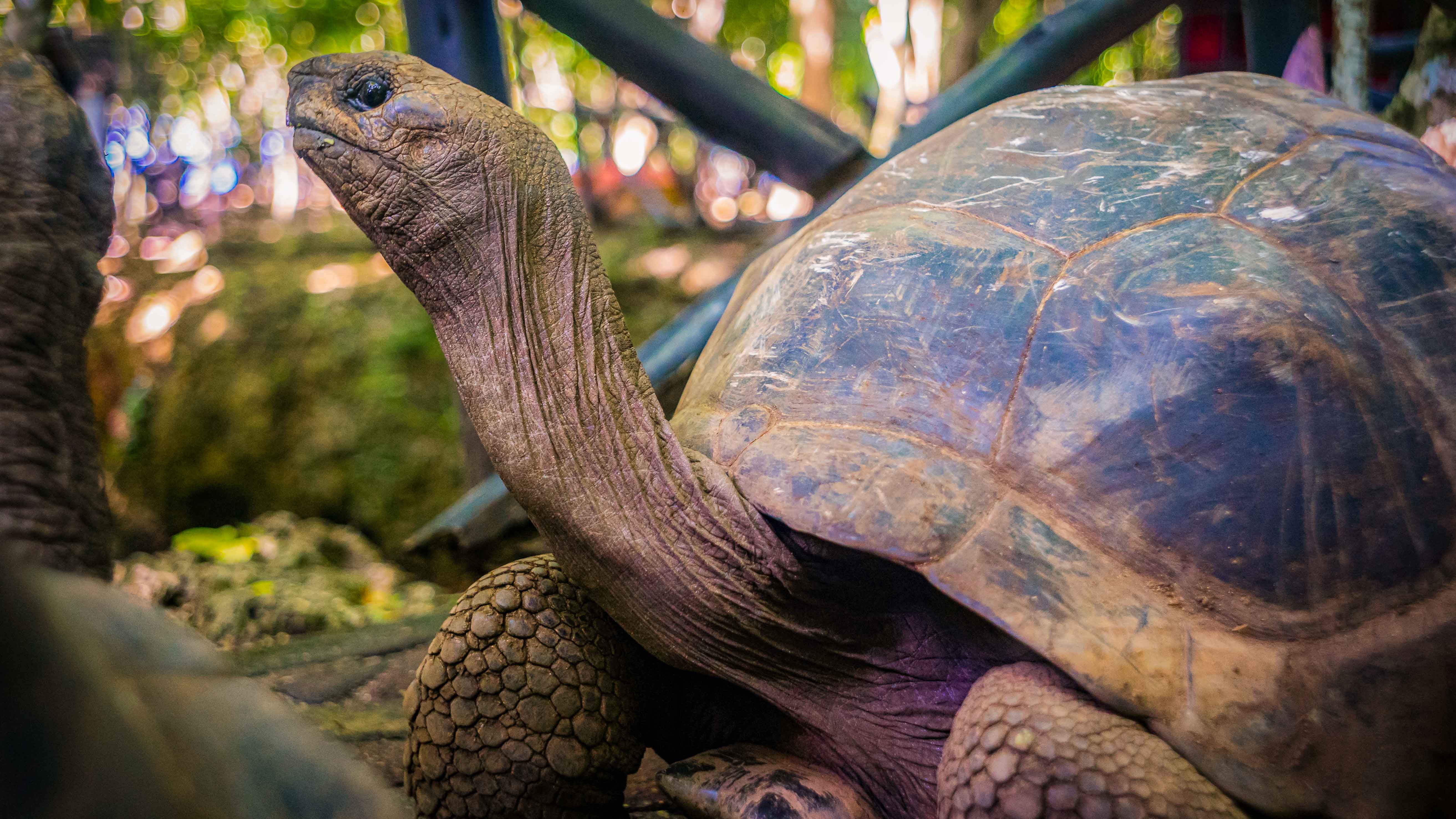
Zanzibar is portrayed as a mixture of Arabic, African, Indian, and European legacies, making an exceptional social blend on the island, occasionally observed somewhere else. One reason for this is Zanzibar's horrible past and it's significant that individuals know about the monstrosities that occurred.On a Prison Island tour, you will get to see around the island and get to know the slave history, visit the Mangapwani slave chambers. Swimming around the prison Island is accessible, while you can also take pictures with Giant turtles.To arrive at the island from Changuu Island, a boat needs to be hired, with a tour/excursion lasting for half a day. Changuu (Prison Island) is a formerly known slave prison off the shore of Stone Town.
On this tour you will get yourself familiar with the Island's slave History. If you are keen on finding out about the islands part in the slave trade, book for Prison Island Tour with our Guide to take you to the old slave market, slave caverns. The Mangapwani Slave Chambers is a great spot to go to in the event that you need to find out about the repulsions of slavery and the part of Zanzibar when it comes to the Africa slave trade. The majority of the slaves Africa and particularly East Africa were brought to Zanzibar prior to being taken for forced labor in various pieces of the world.The Mangapwani Slave Chambers is located approximately 12 miles from Stone Town. The chambers were constructed underground and were utilized to hide slaves even after slavery was annulled. You can end your tour by taking a swim at the previous slave port.
Presently, Mangapwani Slave Chambers is the home to huge Aldabra tortoises, imported from Seychelles. You can take care of the tortoise take pictures and appreciate the forest. Further, white sandy beach is accessible to sunbathe and get an extraordinary perspective on Stone Town.Additionally, some of the Tortoises are estimated to be more than 100 years of age. In the wake of investing energy petting and contacting the turtles, you can swim on the beach and respect the astounding scene and winged animal life including the astonishing peacocks.